




- BHT
- 6

 12
12
 0
0
Looking at crypto portfolios today, you might wonder if privacy still matters when everything seems tracked and traced. Well, Monero took a different path from Bitcoin, choosing absolute anonymity over transparent blockchains. While everyone debates which coins will dominate the next crypto bull run, this privacy-focused cryptocurrency quietly built something revolutionary that makes every transaction completely untraceable.

Monero launched in April 2014 as a fork of Bytecoin, bringing privacy-focused cryptocurrency technology to mainstream adoption. Unlike Bitcoin where anyone can trace transaction histories through wallet addresses, Monero implements advanced cryptographic techniques that shield sender information, receiver details, and transaction amounts from public view.
The cryptocurrency runs on a unique blockchain protocol called CryptoNight, though it has since upgraded to RandomX proof-of-work algorithm. This transition happened specifically to resist ASIC mining dominance and keep mining accessible to everyday users with standard computer hardware.
What makes Monero stand apart in discussions about the best crypto to buy now isn't just its privacy features. The development team maintains active updates, consistently improving security protocols and transaction efficiency. The community-driven approach means no single entity controls Monero's direction, creating truly decentralized governance that aligns with cryptocurrency's original philosophy.
Ring Signatures form the backbone of Monero's anonymity system. When someone sends XMR, the transaction gets grouped with others, making it mathematically impossible to determine which signature belongs to the actual sender. Think of it like signing a document in a room full of people, where everyone's signature looks identical.
Stealth Addresses add another privacy layer by generating one-time addresses for every transaction. Even if someone knows your public Monero address, they cannot see incoming transactions or your wallet balance. The blockchain shows activity occurring, but connecting those transactions to specific users becomes functionally impossible.
Ring Confidential Transactions, known as RingCT, hide transaction amounts. While Bitcoin shows exactly how much moved between addresses, Monero obscures these values using cryptographic commitments.network validators can verify transactions remain legitimate without knowing the exact amounts transferred.
These three technologies working together create privacy that goes beyond what most cryptocurrencies offer. For users concerned about financial surveillance or those living under restrictive governments, Monero provides genuine financial freedom that resonates strongly during each bull run crypto cycle.
Monero's RandomX algorithm democratizes mining by favoring CPU mining over specialized hardware. This design choice keeps mining profitable for individuals using personal computers, distributing network security across thousands of small miners rather than concentrating power in industrial mining operations.
The network adjusts mining difficulty every block, roughly every two minutes. This frequent adjustment maintains consistent block times around two minutes, ensuring transaction confirmations happen faster than Bitcoin's ten-minute blocks. Quick confirmations improve usability for everyday transactions while maintaining robust security.
Tail emission sets Monero apart from Bitcoin's fixed supply model. After the main emission schedule completes, Monero continues producing 0.6 XMR per block indefinitely. This permanent block reward ensures miners always have incentive to secure the network, preventing potential security issues that might emerge when block rewards disappear entirely.
Security researchers consistently rank Monero among the most secure cryptocurrencies. The combination of proven cryptographic techniques, active development community, and distributed mining creates resilient infrastructure that has withstood various attacks and challenges over the years.
Market analysts watching the crypto fear and greed index often overlook Monero's unique position. While speculative altcoins pump and dump based on hype cycles, Monero maintains steady utility as the premier privacy cryptocurrency. Its value proposition doesn't depend on mainstream adoption or institutional investment, but rather on sustained demand for private transactions.
Regulatory pressure has pushed several exchanges to delist privacy coins, including Monero. However, this hasn't diminished its usefulness or trading volume. Decentralized exchanges and peer-to-peer platforms continue supporting XMR trading, demonstrating that demand for privacy persists regardless of regulatory headwinds.
When evaluating the best cheap crypto to buy now, price alone doesn't tell the whole story. Monero trades at a fraction of Bitcoin's price while offering superior privacy technology and faster transactions. The relatively lower price point makes it accessible for investors seeking exposure to privacy-focused cryptocurrencies without massive capital requirements.
Technical analysis shows Monero's price movements often decouple from broader crypto market trends. During bear markets when investors question is crypto dead, Monero tends to maintain more stable value due to its utility-driven demand rather than pure speculation. This characteristic makes it interesting for portfolio diversification strategies.
Privacy-conscious individuals use Monero for legitimate transactions where financial confidentiality matters. Whether purchasing sensitive products, protecting business transactions from competitors, or simply maintaining personal financial privacy, Monero serves purposes that transparent blockchains cannot address.
Charitable donations represent another significant use case. Donors who prefer keeping contributions private can use Monero without creating public records of their charitable activities. Similarly, activists in restrictive regions utilize Monero to receive funding without exposing supporters to government retaliation.
Cross-border transactions benefit from Monero's privacy and relatively low fees. Unlike traditional wire transfers that leave extensive paper trails and charge significant fees, Monero transfers complete quickly with minimal costs while maintaining complete confidentiality. This proves especially valuable for individuals in countries with strict capital controls.
Merchants accepting cryptocurrency payments increasingly offer Monero as an option. The privacy aspect appeals to customers who don't want purchase histories publicly recorded on blockchains. Integration remains straightforward through various payment processors supporting XMR.
Bitcoin introduced blockchain technology but sacrificed privacy for transparency. Every Bitcoin transaction remains permanently visible, allowing anyone to trace funds through the entire transaction history. While this transparency appeals to some users and regulators, it fundamentally conflicts with financial privacy principles.
Ethereum and other smart contract platforms focus on programmability rather than privacy. Their transparent ledgers make them suitable for applications requiring public verification but unsuitable for confidential transactions. Privacy solutions exist as add-ons, but none match Monero's built-in, mandatory privacy features.
Zcash offers optional privacy through zero-knowledge proofs, but most transactions remain transparent. This optional privacy creates smaller anonymity sets, potentially weakening privacy guarantees. Monero's mandatory privacy ensures every transaction benefits from the entire network's anonymity set.
Dash attempted privacy through mixing services, but this approach proved vulnerable to analysis. Academic research demonstrated that Dash transactions could often be de-anonymized. Monero's cryptographic approach provides mathematically provable privacy resistant to such analysis.
When discussing the next crypto to explode, privacy coins occupy a unique niche. Rather than competing for smart contract dominance or payment processing speed, they serve a specific need that other cryptocurrencies fundamentally cannot address.
Regulatory uncertainty represents the primary risk factor for Monero investors. Governments worldwide continue developing cryptocurrency regulations, with privacy coins receiving particular scrutiny. Some jurisdictions might ban privacy coins entirely, though enforcement remains challenging given cryptocurrency's decentralized nature.
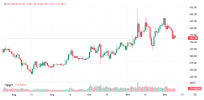
Exchange delistings have already occurred at major platforms due to regulatory pressure. While decentralized alternatives exist, reduced exchange availability can impact liquidity and price discovery. Investors should understand that holding Monero might require using less convenient trading platforms.
Technical risks remain minimal given Monero's robust development and security track record. The active developer community quickly addresses vulnerabilities when discovered. Regular protocol upgrades ensure the network stays ahead of potential threats, though these upgrades occasionally require wallet updates and user action.
Price volatility affects all cryptocurrencies, and Monero is no exception. However, its utility-driven value proposition provides some insulation from pure speculation-driven crashes. During crypto bull run periods, privacy coins sometimes underperform hype-driven tokens, but they also tend to decline less severely during corrections.
Long-term holders view Monero as insurance against financial surveillance rather than purely speculative investment. This perspective changes the risk-reward calculation significantly. If privacy becomes increasingly valuable as governments implement more financial monitoring, Monero's utility and price could increase substantially.
The Monero Research Lab continuously works on privacy and efficiency improvements. Current research focuses on reducing transaction sizes through more efficient cryptographic techniques. Smaller transactions mean lower fees and faster blockchain synchronization for new users.
Atomic swaps development enables direct cryptocurrency exchanges without centralized intermediaries. Users can swap Bitcoin for Monero and vice versa in trustless transactions, eliminating exchange risks and improving accessibility. This technology continues maturing with regular improvements to user experience.
Layer two solutions are being explored to enhance scalability without compromising privacy. While Monero's blockchain already processes transactions efficiently, additional layers could enable instant micropayments and improved throughput for broader adoption scenarios.
Mobile wallet development has accelerated, making Monero increasingly accessible. Modern smartphones can run full Monero nodes, giving users complete sovereignty over their funds without relying on third-party services. User-friendly interfaces continue improving, lowering technical barriers to entry.
Darknet market adoption, while controversial, demonstrates genuine demand for private cryptocurrency. These markets exclusively accept Monero for transactions, having largely abandoned Bitcoin due to privacy concerns. This creates consistent demand regardless of mainstream market conditions.
Privacy advocacy organizations increasingly recommend Monero as the preferred cryptocurrency for donations and transactions. As awareness grows about blockchain surveillance and its implications, more individuals seek genuinely private alternatives to transparent cryptocurrencies.
Developing nations with unstable currencies or authoritarian governments see growing Monero adoption. Citizens seeking to protect wealth from government seizure or preserve privacy during economic instability turn to XMR as a practical solution rather than speculative investment.
Developer activity remains robust with consistent GitHub commits and protocol improvements. The community-driven development model attracts talented cryptographers and developers who value privacy technology. This sustained development activity indicates long-term project viability.
Acquiring Monero requires choosing appropriate platforms since major exchanges increasingly restrict privacy coin trading. Decentralized exchanges like Bisq, LocalMonero, or atomic swap services provide access without KYC requirements, maintaining privacy throughout the acquisition process.
Wallet selection depends on security needs and technical comfort. Desktop wallets like the official Monero GUI offer full node capabilities and maximum security. Mobile wallets such as Monerujo or Cake Wallet provide convenience for everyday use. Hardware wallet support exists through Ledger and Trezor devices for cold storage.
Transaction privacy comes automatically with Monero, but users should still follow best practices. Using Tor or VPN connections when broadcasting transactions adds network-level privacy. Avoiding address reuse, though less critical than with Bitcoin, remains good practice.
Running a full node contributes to network security and provides maximum privacy when transacting. Modern computers can sync the blockchain in hours and maintain nodes without significant resource consumption. Node operators strengthen the network's decentralization and censorship resistance.
Criminal use concerns often dominate Monero discussions, but privacy isn't inherently criminal. Cash provides similar anonymity for in-person transactions, yet society accepts cash as legitimate. Monero simply brings cash-like privacy to digital transactions, serving countless legitimate privacy needs.
The perception that privacy coins will inevitably face bans oversimplifies regulatory reality. Governments struggle to enforce cryptocurrency bans effectively, as demonstrated by countries attempting Bitcoin prohibitions. Monero's decentralized nature makes enforcement even more challenging than with traceable cryptocurrencies.
Some believe Monero's privacy features make it untraceable by law enforcement. While transactions remain private on the blockchain, traditional investigation techniques still apply. Metadata analysis, exchange records, and other investigative methods can still identify users when necessary.
Complexity concerns deter some potential users, but modern Monero wallets simplify the experience significantly. Sending XMR requires the same basic steps as any cryptocurrency transaction. The underlying privacy technology works automatically without requiring user configuration.
Diversification benefits emerge from Monero's unique characteristics compared to other cryptocurrencies. Its price movements often diverge from mainstream crypto trends, providing uncorrelated returns that can stabilize portfolio volatility. Allocating a percentage to privacy-focused assets hedges against increasing financial surveillance.
Dollar-cost averaging works particularly well with Monero given its lower price volatility compared to speculative altcoins. Regular purchases during both bull run crypto cycles and bear markets accumulate positions without trying to time peaks and valleys. This strategy suits investors viewing Monero as long-term privacy infrastructure rather than short-term speculation.
Position sizing should reflect individual risk tolerance and regulatory environment. Conservative investors might limit privacy coin exposure to small portfolio percentages. Those prioritizing privacy or living in restrictive jurisdictions might allocate more substantial portions to XMR.
Rebalancing strategies help maintain target allocations as prices fluctuate. When Monero outperforms during privacy-focused rally periods, taking some profits maintains discipline. Conversely, adding to positions during price declines below target allocation keeps the strategy consistent.
Merchant adoption continues expanding through payment processors supporting Monero integration. Businesses ranging from VPN providers to online retailers accept XMR, demonstrating real-world utility beyond speculative trading. This merchant network creates organic demand supporting long-term value.
Development funding comes from community donations rather than pre-mines or ICOs. The Community Crowdfunding System allows anyone to propose projects and receive funding if the community votes approval. This transparent funding model ensures development aligns with user needs rather than enriching early insiders.
Educational resources have proliferated as the community creates tutorials, documentation, and learning materials. New users can quickly understand Monero's privacy features and practical applications through comprehensive guides available in multiple languages. This knowledge sharing strengthens adoption potential.
Community governance happens through open discussion and consensus rather than token-based voting. Major protocol changes require broad agreement among developers, miners, and users. This inclusive approach prevents governance attacks and maintains decentralization principles.
Research fundamentals before investing in any cryptocurrency, including Monero. Understanding the technology, use cases, risks, and market dynamics enables informed decisions rather than speculation based on hype. Privacy coins serve specific purposes that may or may not align with individual needs and values.
Regulatory developments require ongoing monitoring since privacy coin regulations continue evolving. Following news from major jurisdictions helps anticipate potential market impacts. However, avoiding panic reactions to every regulatory headline prevents emotional decision-making.
Technical analysis provides insights into price trends and potential entry points. While Monero's utility-driven value creates different dynamics than pure speculation coins, understanding support levels, resistance zones, and momentum indicators still offers useful information for timing decisions.
Long-term perspective suits Monero investment better than day trading. The privacy use case represents fundamental value that persists regardless of short-term price movements. Holding through volatility allows the privacy narrative to potentially play out over years rather than months.
Understanding Monero's Foundation
Monero launched in April 2014 as a fork of Bytecoin, bringing privacy-focused cryptocurrency technology to mainstream adoption. Unlike Bitcoin where anyone can trace transaction histories through wallet addresses, Monero implements advanced cryptographic techniques that shield sender information, receiver details, and transaction amounts from public view.
The cryptocurrency runs on a unique blockchain protocol called CryptoNight, though it has since upgraded to RandomX proof-of-work algorithm. This transition happened specifically to resist ASIC mining dominance and keep mining accessible to everyday users with standard computer hardware.
What makes Monero stand apart in discussions about the best crypto to buy now isn't just its privacy features. The development team maintains active updates, consistently improving security protocols and transaction efficiency. The community-driven approach means no single entity controls Monero's direction, creating truly decentralized governance that aligns with cryptocurrency's original philosophy.
Privacy Technology Behind Monero
Ring Signatures form the backbone of Monero's anonymity system. When someone sends XMR, the transaction gets grouped with others, making it mathematically impossible to determine which signature belongs to the actual sender. Think of it like signing a document in a room full of people, where everyone's signature looks identical.
Stealth Addresses add another privacy layer by generating one-time addresses for every transaction. Even if someone knows your public Monero address, they cannot see incoming transactions or your wallet balance. The blockchain shows activity occurring, but connecting those transactions to specific users becomes functionally impossible.
Ring Confidential Transactions, known as RingCT, hide transaction amounts. While Bitcoin shows exactly how much moved between addresses, Monero obscures these values using cryptographic commitments.network validators can verify transactions remain legitimate without knowing the exact amounts transferred.
These three technologies working together create privacy that goes beyond what most cryptocurrencies offer. For users concerned about financial surveillance or those living under restrictive governments, Monero provides genuine financial freedom that resonates strongly during each bull run crypto cycle.
Mining and Network Security
Monero's RandomX algorithm democratizes mining by favoring CPU mining over specialized hardware. This design choice keeps mining profitable for individuals using personal computers, distributing network security across thousands of small miners rather than concentrating power in industrial mining operations.
The network adjusts mining difficulty every block, roughly every two minutes. This frequent adjustment maintains consistent block times around two minutes, ensuring transaction confirmations happen faster than Bitcoin's ten-minute blocks. Quick confirmations improve usability for everyday transactions while maintaining robust security.
Tail emission sets Monero apart from Bitcoin's fixed supply model. After the main emission schedule completes, Monero continues producing 0.6 XMR per block indefinitely. This permanent block reward ensures miners always have incentive to secure the network, preventing potential security issues that might emerge when block rewards disappear entirely.
Security researchers consistently rank Monero among the most secure cryptocurrencies. The combination of proven cryptographic techniques, active development community, and distributed mining creates resilient infrastructure that has withstood various attacks and challenges over the years.
Monero in Today's Crypto Landscape
Market analysts watching the crypto fear and greed index often overlook Monero's unique position. While speculative altcoins pump and dump based on hype cycles, Monero maintains steady utility as the premier privacy cryptocurrency. Its value proposition doesn't depend on mainstream adoption or institutional investment, but rather on sustained demand for private transactions.
Regulatory pressure has pushed several exchanges to delist privacy coins, including Monero. However, this hasn't diminished its usefulness or trading volume. Decentralized exchanges and peer-to-peer platforms continue supporting XMR trading, demonstrating that demand for privacy persists regardless of regulatory headwinds.
When evaluating the best cheap crypto to buy now, price alone doesn't tell the whole story. Monero trades at a fraction of Bitcoin's price while offering superior privacy technology and faster transactions. The relatively lower price point makes it accessible for investors seeking exposure to privacy-focused cryptocurrencies without massive capital requirements.
Technical analysis shows Monero's price movements often decouple from broader crypto market trends. During bear markets when investors question is crypto dead, Monero tends to maintain more stable value due to its utility-driven demand rather than pure speculation. This characteristic makes it interesting for portfolio diversification strategies.
Real-World Applications and Use Cases
Privacy-conscious individuals use Monero for legitimate transactions where financial confidentiality matters. Whether purchasing sensitive products, protecting business transactions from competitors, or simply maintaining personal financial privacy, Monero serves purposes that transparent blockchains cannot address.
Charitable donations represent another significant use case. Donors who prefer keeping contributions private can use Monero without creating public records of their charitable activities. Similarly, activists in restrictive regions utilize Monero to receive funding without exposing supporters to government retaliation.
Cross-border transactions benefit from Monero's privacy and relatively low fees. Unlike traditional wire transfers that leave extensive paper trails and charge significant fees, Monero transfers complete quickly with minimal costs while maintaining complete confidentiality. This proves especially valuable for individuals in countries with strict capital controls.
Merchants accepting cryptocurrency payments increasingly offer Monero as an option. The privacy aspect appeals to customers who don't want purchase histories publicly recorded on blockchains. Integration remains straightforward through various payment processors supporting XMR.
Comparing Monero to Other Cryptocurrencies
Bitcoin introduced blockchain technology but sacrificed privacy for transparency. Every Bitcoin transaction remains permanently visible, allowing anyone to trace funds through the entire transaction history. While this transparency appeals to some users and regulators, it fundamentally conflicts with financial privacy principles.
Ethereum and other smart contract platforms focus on programmability rather than privacy. Their transparent ledgers make them suitable for applications requiring public verification but unsuitable for confidential transactions. Privacy solutions exist as add-ons, but none match Monero's built-in, mandatory privacy features.
Zcash offers optional privacy through zero-knowledge proofs, but most transactions remain transparent. This optional privacy creates smaller anonymity sets, potentially weakening privacy guarantees. Monero's mandatory privacy ensures every transaction benefits from the entire network's anonymity set.
Dash attempted privacy through mixing services, but this approach proved vulnerable to analysis. Academic research demonstrated that Dash transactions could often be de-anonymized. Monero's cryptographic approach provides mathematically provable privacy resistant to such analysis.
When discussing the next crypto to explode, privacy coins occupy a unique niche. Rather than competing for smart contract dominance or payment processing speed, they serve a specific need that other cryptocurrencies fundamentally cannot address.
Investment Considerations and Risk Factors
Regulatory uncertainty represents the primary risk factor for Monero investors. Governments worldwide continue developing cryptocurrency regulations, with privacy coins receiving particular scrutiny. Some jurisdictions might ban privacy coins entirely, though enforcement remains challenging given cryptocurrency's decentralized nature.
Exchange delistings have already occurred at major platforms due to regulatory pressure. While decentralized alternatives exist, reduced exchange availability can impact liquidity and price discovery. Investors should understand that holding Monero might require using less convenient trading platforms.
Technical risks remain minimal given Monero's robust development and security track record. The active developer community quickly addresses vulnerabilities when discovered. Regular protocol upgrades ensure the network stays ahead of potential threats, though these upgrades occasionally require wallet updates and user action.
Price volatility affects all cryptocurrencies, and Monero is no exception. However, its utility-driven value proposition provides some insulation from pure speculation-driven crashes. During crypto bull run periods, privacy coins sometimes underperform hype-driven tokens, but they also tend to decline less severely during corrections.
Long-term holders view Monero as insurance against financial surveillance rather than purely speculative investment. This perspective changes the risk-reward calculation significantly. If privacy becomes increasingly valuable as governments implement more financial monitoring, Monero's utility and price could increase substantially.
Technical Developments and Future Roadmap
The Monero Research Lab continuously works on privacy and efficiency improvements. Current research focuses on reducing transaction sizes through more efficient cryptographic techniques. Smaller transactions mean lower fees and faster blockchain synchronization for new users.
Atomic swaps development enables direct cryptocurrency exchanges without centralized intermediaries. Users can swap Bitcoin for Monero and vice versa in trustless transactions, eliminating exchange risks and improving accessibility. This technology continues maturing with regular improvements to user experience.
Layer two solutions are being explored to enhance scalability without compromising privacy. While Monero's blockchain already processes transactions efficiently, additional layers could enable instant micropayments and improved throughput for broader adoption scenarios.
Mobile wallet development has accelerated, making Monero increasingly accessible. Modern smartphones can run full Monero nodes, giving users complete sovereignty over their funds without relying on third-party services. User-friendly interfaces continue improving, lowering technical barriers to entry.
Network Effects and Adoption Trends
Darknet market adoption, while controversial, demonstrates genuine demand for private cryptocurrency. These markets exclusively accept Monero for transactions, having largely abandoned Bitcoin due to privacy concerns. This creates consistent demand regardless of mainstream market conditions.
Privacy advocacy organizations increasingly recommend Monero as the preferred cryptocurrency for donations and transactions. As awareness grows about blockchain surveillance and its implications, more individuals seek genuinely private alternatives to transparent cryptocurrencies.
Developing nations with unstable currencies or authoritarian governments see growing Monero adoption. Citizens seeking to protect wealth from government seizure or preserve privacy during economic instability turn to XMR as a practical solution rather than speculative investment.
Developer activity remains robust with consistent GitHub commits and protocol improvements. The community-driven development model attracts talented cryptographers and developers who value privacy technology. This sustained development activity indicates long-term project viability.
Getting Started with Monero
Acquiring Monero requires choosing appropriate platforms since major exchanges increasingly restrict privacy coin trading. Decentralized exchanges like Bisq, LocalMonero, or atomic swap services provide access without KYC requirements, maintaining privacy throughout the acquisition process.
Wallet selection depends on security needs and technical comfort. Desktop wallets like the official Monero GUI offer full node capabilities and maximum security. Mobile wallets such as Monerujo or Cake Wallet provide convenience for everyday use. Hardware wallet support exists through Ledger and Trezor devices for cold storage.
Transaction privacy comes automatically with Monero, but users should still follow best practices. Using Tor or VPN connections when broadcasting transactions adds network-level privacy. Avoiding address reuse, though less critical than with Bitcoin, remains good practice.
Running a full node contributes to network security and provides maximum privacy when transacting. Modern computers can sync the blockchain in hours and maintain nodes without significant resource consumption. Node operators strengthen the network's decentralization and censorship resistance.
Addressing Common Misconceptions
Criminal use concerns often dominate Monero discussions, but privacy isn't inherently criminal. Cash provides similar anonymity for in-person transactions, yet society accepts cash as legitimate. Monero simply brings cash-like privacy to digital transactions, serving countless legitimate privacy needs.
The perception that privacy coins will inevitably face bans oversimplifies regulatory reality. Governments struggle to enforce cryptocurrency bans effectively, as demonstrated by countries attempting Bitcoin prohibitions. Monero's decentralized nature makes enforcement even more challenging than with traceable cryptocurrencies.
Some believe Monero's privacy features make it untraceable by law enforcement. While transactions remain private on the blockchain, traditional investigation techniques still apply. Metadata analysis, exchange records, and other investigative methods can still identify users when necessary.
Complexity concerns deter some potential users, but modern Monero wallets simplify the experience significantly. Sending XMR requires the same basic steps as any cryptocurrency transaction. The underlying privacy technology works automatically without requiring user configuration.
Monero's Role in Portfolio Strategy
Diversification benefits emerge from Monero's unique characteristics compared to other cryptocurrencies. Its price movements often diverge from mainstream crypto trends, providing uncorrelated returns that can stabilize portfolio volatility. Allocating a percentage to privacy-focused assets hedges against increasing financial surveillance.
Dollar-cost averaging works particularly well with Monero given its lower price volatility compared to speculative altcoins. Regular purchases during both bull run crypto cycles and bear markets accumulate positions without trying to time peaks and valleys. This strategy suits investors viewing Monero as long-term privacy infrastructure rather than short-term speculation.
Position sizing should reflect individual risk tolerance and regulatory environment. Conservative investors might limit privacy coin exposure to small portfolio percentages. Those prioritizing privacy or living in restrictive jurisdictions might allocate more substantial portions to XMR.
Rebalancing strategies help maintain target allocations as prices fluctuate. When Monero outperforms during privacy-focused rally periods, taking some profits maintains discipline. Conversely, adding to positions during price declines below target allocation keeps the strategy consistent.
Ecosystem Growth and Community Strength
Merchant adoption continues expanding through payment processors supporting Monero integration. Businesses ranging from VPN providers to online retailers accept XMR, demonstrating real-world utility beyond speculative trading. This merchant network creates organic demand supporting long-term value.
Development funding comes from community donations rather than pre-mines or ICOs. The Community Crowdfunding System allows anyone to propose projects and receive funding if the community votes approval. This transparent funding model ensures development aligns with user needs rather than enriching early insiders.
Educational resources have proliferated as the community creates tutorials, documentation, and learning materials. New users can quickly understand Monero's privacy features and practical applications through comprehensive guides available in multiple languages. This knowledge sharing strengthens adoption potential.
Community governance happens through open discussion and consensus rather than token-based voting. Major protocol changes require broad agreement among developers, miners, and users. This inclusive approach prevents governance attacks and maintains decentralization principles.
Making Informed Decisions
Research fundamentals before investing in any cryptocurrency, including Monero. Understanding the technology, use cases, risks, and market dynamics enables informed decisions rather than speculation based on hype. Privacy coins serve specific purposes that may or may not align with individual needs and values.
Regulatory developments require ongoing monitoring since privacy coin regulations continue evolving. Following news from major jurisdictions helps anticipate potential market impacts. However, avoiding panic reactions to every regulatory headline prevents emotional decision-making.
Technical analysis provides insights into price trends and potential entry points. While Monero's utility-driven value creates different dynamics than pure speculation coins, understanding support levels, resistance zones, and momentum indicators still offers useful information for timing decisions.
Long-term perspective suits Monero investment better than day trading. The privacy use case represents fundamental value that persists regardless of short-term price movements. Holding through volatility allows the privacy narrative to potentially play out over years rather than months.
Ready to start your crypto journey with professional guidance? Join experienced traders through Binance Copy Trading and learn proven strategies while building your portfolio. New to Binance ? Sign up now and receive a 100 USDT bonus to kickstart your cryptocurrency investments with one of the world's most trusted exchanges.


